
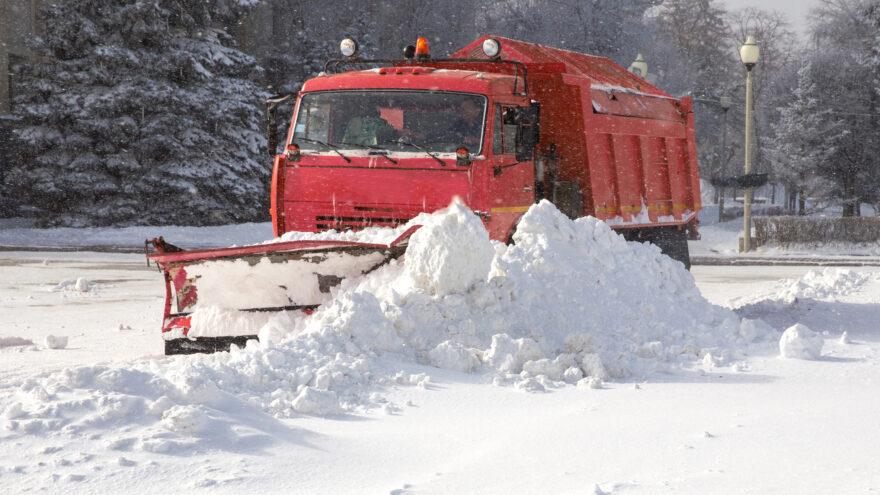
When winter hits, snow and ice quickly turn from a minor inconvenience into a serious operational challenge for commercial properties. It may seem tempting to handle snow removal in-house, especially for property managers trying to control costs. In reality, commercial snow removal is far more complex than pushing snow out of the way. It requires planning, manpower, equipment, and accountability that most businesses simply do not have.
Here is why commercial snow removal is not a DIY job.
It Is Not Just About Plowing Snow
At the surface level, snow removal looks simple. A plow comes through, clears the lot, and the job is done. In practice, there is much more involved.
A proper commercial snow removal plan includes:
- Monitoring weather patterns before the storm
- Pre-treating surfaces to prevent ice buildup
- Clearing snow in phases during the storm
- Managing high-traffic areas like entrances and walkways
- Applying deicing materials at the right times
- Returning after the storm to clean up remaining hazards
Without a structured approach, snow removal becomes reactive instead of proactive. That is when safety risks and operational issues start to pile up.
Timing Is Critical
Snow removal is not something you can get to when it is convenient. For commercial properties, timing is everything.
Parking lots, sidewalks, and entry points need to be cleared:
- Before employees arrive
- Before customers access the property
- Throughout the storm, not just after it ends
A delay of even a few hours can create dangerous conditions and disrupt business operations. Professional snow removal companies operate on tight schedules with crews deployed around the clock. Most in-house teams cannot match that level of responsiveness.
Equipment Requirements Are Significant
Residential tools do not translate to commercial-scale work. A shovel or small snowblower might work for a driveway, but it is not practical for a shopping center, office complex, or industrial site.
Commercial snow removal requires:
- Plow trucks for large surface areas
- Loaders and skid steers for heavy accumulation
- Sidewalk machines for tight spaces
- Salt spreaders and brine systems
- Backup equipment in case of breakdowns
Owning and maintaining this equipment is expensive. Even if a business invests in it, there is still the issue of having trained operators ready during every storm.
Liability Is a Major Concern
One of the biggest risks of DIY snow removal is liability. Snow and ice create hazardous conditions that can lead to slip and fall incidents.
If a property is not properly maintained:
- Injuries can occur
- Insurance claims can increase
- Legal exposure becomes a real concern
Professional snow removal companies document their work, track service times, and follow established protocols. This creates a layer of protection for property owners. Without that documentation, it becomes much harder to defend against claims.
The Weather Is Unpredictable
No two storms are the same. Snowfall rates, temperature changes, and freezing conditions can shift quickly.
A professional team monitors:
- Storm timing and intensity
- Temperature fluctuations that affect ice formation
- Refreeze conditions overnight
- Long-duration storm patterns
Trying to manage this without experience often leads to under-preparation or overreaction. Both can be costly.
Staffing Challenges Add Up
Even if a business has the equipment, there is still the issue of labor.
Snow events often happen:
- Overnight
- Early in the morning
- On weekends and holidays
Relying on internal staff means asking employees to work outside normal hours in difficult conditions. This can lead to inconsistent performance and burnout. Professional crews are built for this type of work and operate in shifts to maintain coverage.
Poor Snow Removal Costs More in the Long Run
Trying to save money by handling snow removal internally can backfire quickly.
Common issues include:
- Incomplete clearing that leads to ice buildup
- Damage to curbs, landscaping, or pavement
- Increased liability from unsafe conditions
- Lost business due to inaccessible properties
What looks like a cost-saving move can turn into a larger expense when things are not handled properly.
Commercial Properties Require a Strategy
Every property is different. A warehouse has different needs than a retail center or medical facility. Traffic flow, parking layout, and accessibility all play a role.
A professional snow removal provider develops a site-specific plan that considers:
- High-priority areas
- Traffic patterns
- Snow storage locations
- Emergency access points
Without a plan, snow removal becomes inconsistent and inefficient.
Why Businesses Rely on Professional Snow Removal
Commercial snow removal is about more than clearing snow. It is about keeping operations running, protecting people, and minimizing risk.
Working with a professional team provides:
- Reliable service during every storm
- Access to the right equipment and manpower
- Proactive planning and weather monitoring
- Documentation for liability protection
- Consistent results across every visit
For businesses that need to stay open and accessible, it is not something that can be left to chance.
Final Thoughts
Handling snow removal in-house may seem manageable at first, but commercial properties operate at a scale where mistakes carry real consequences. From safety risks to operational disruptions, the margin for error is small.
Professional snow removal ensures that your property is prepared before, during, and after every storm. It allows you to focus on running your business while experienced crews handle the conditions outside.